CompassSectors
Know the ground
Market research, step-by-step processes, the offices to visit, permits, support and the courses that lead there, sector by sector. Every figure links to its source, and anything marked "check" still needs confirming with the office.
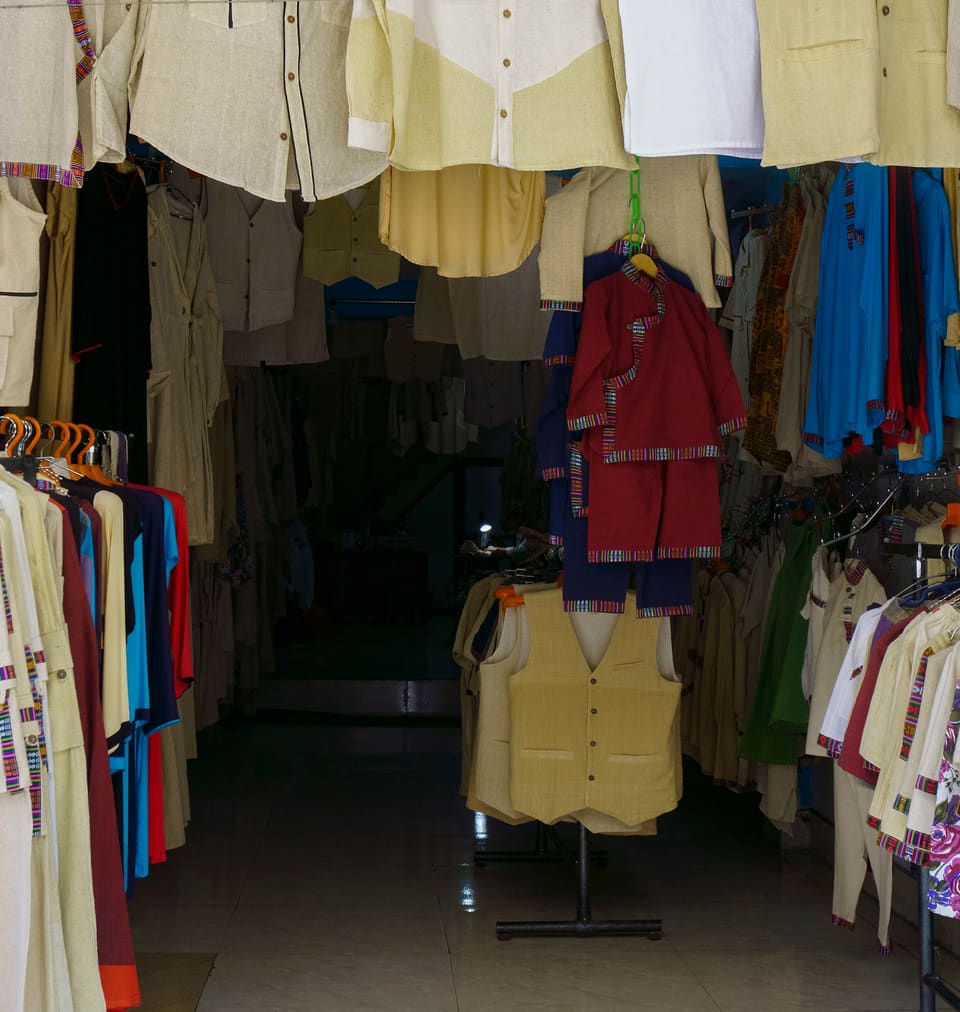
Starting a business in NepalMost young Nepalis start as a sole proprietorship or partnership firm, then add a PAN, a local business licence and, if they hire people, Social Security Fund registration. A private limited company suits you when you have partners, outside money or want limited liability. Government loans for youth, women, returnees and startups exist but are slow and bank-dependent, so plan to start small with your own money.
Untapped sectors and low-cost ideas with steady incomeWhere Nepal has visible gaps today (heavy imports, thin services, rising demand) and which small, low-capital businesses give regular cash. The gaps are backed by official or press data where it could be found; all money figures for the small ideas are rough planning estimates, not measured incomes, and must be checked locally before anyone spends savings. Most ideas become safer when tested first with a small paid pilot.
What grows best where in NepalNepal packs five farming belts into a few hundred kilometres, so the best crop changes with altitude and with how close you are to a road and a market. The hot Terai plains grow rice, wheat, sugarcane, fish and poultry. The hills grow vegetables, citrus, coffee, ginger and kiwi. The high hills and mountains grow apples, potato, large cardamom, herbs and yak products. Most district facts below come from news reports and academic papers, not from an official district table, because the PMAMP site publishes zone totals but not the zone-by-zone lists in a readable form. Anything resting only on secondary sources is marked Check. Check with your local agriculture knowledge centre before you invest.
Agriculture and agribusinessFarming is still about a quarter of Nepal's economy and the biggest employer, yet Nepal now spends hundreds of billions of rupees a year importing food. That gap is the opening for young people: commercial vegetables, poultry, dairy, fish, high-value crops like cardamom, tea and coffee, and processing. Government money exists (subsidised loans, grants, insurance) but rules and rates change often, so check each one at your local agriculture office before you plan around it.
Tourism, hospitality and food serviceTourism is one of Nepal's biggest service earners and hires more young people than most sectors, from cooks and receptionists to trekking guides and homestay hosts. Foreign arrivals have only just returned to the 2019 level, visitors stay longer but spend less each day, and Nepali travellers inside the country are a fast-growing market. Most jobs need a short course and the right licence, and many businesses can start small at home.
IT, digital work and creative servicesSoftware, freelancing, e-commerce, digital marketing, design and media are among the few fields where a young Nepali can earn foreign income from home with small startup capital. Industry bodies say service exports passed about USD 1 billion in 2025, but official recorded numbers are far lower, so treat all totals with care. The rules changed a lot in 2025 and 2026 (e-commerce listing, NRB foreign currency limits, the income tax concession for IT exports), so check each rule at the office before you act.
Making things: cottage industry, manufacturing, construction and skilled tradesMaking things covers handicrafts, garments, furniture, food production, small factories, construction and repair trades. Skilled workers are scarce in construction and manufacturing while many young people are jobless, so a tested skill plus a certificate is a real advantage. You can start small, often from home, but you must register the business and respect the rules on tax, environment and safety.
Health, care and teachingNepal has more registered nurses and health workers every year, yet public hospitals still have unfilled posts and many trained staff leave for better pay abroad. Teaching and tutoring are steady, but private school pay is often low and rules for consultancies and preparation classes tightened in 2026. Almost every job here needs a council registration or a licence, so the first step is always to study at an affiliated institution and pass the right council or commission exam.
Shops, trade, transport and energyNepal imports far more than it exports, so shops, wholesalers, importers, delivery riders, drivers and solar installers all have steady demand. Starting small is cheap (a shop or a motorbike), but import, ride-hailing and solar subsidies have rules that change often, so check the office before you spend money.
Education, jobs and coming homeNepal gives a young person several routes after school: academic study (grade 11 and 12, then a bachelor degree), technical study through CTEVT, a public service job, a private job, or foreign employment. This sheet maps each route, the papers and offices you need, and what to do if you return from abroad and want your skills recognised or want to start something at home.